Educational content only — not medical advice. Not intended to diagnose, treat, cure, or prevent any condition. Consult your healthcare provider before making dietary changes. Contact us
Daily Rhythm

General concepts for structuring your day

How you eat can be one factor in how you feel during daily activities. This page describes general educational principles — not clinical claims — about nutrition patterns some people find useful.

Chart illustrating meal timing across a typical day
Foundation Concept

What daily rhythm means in practice

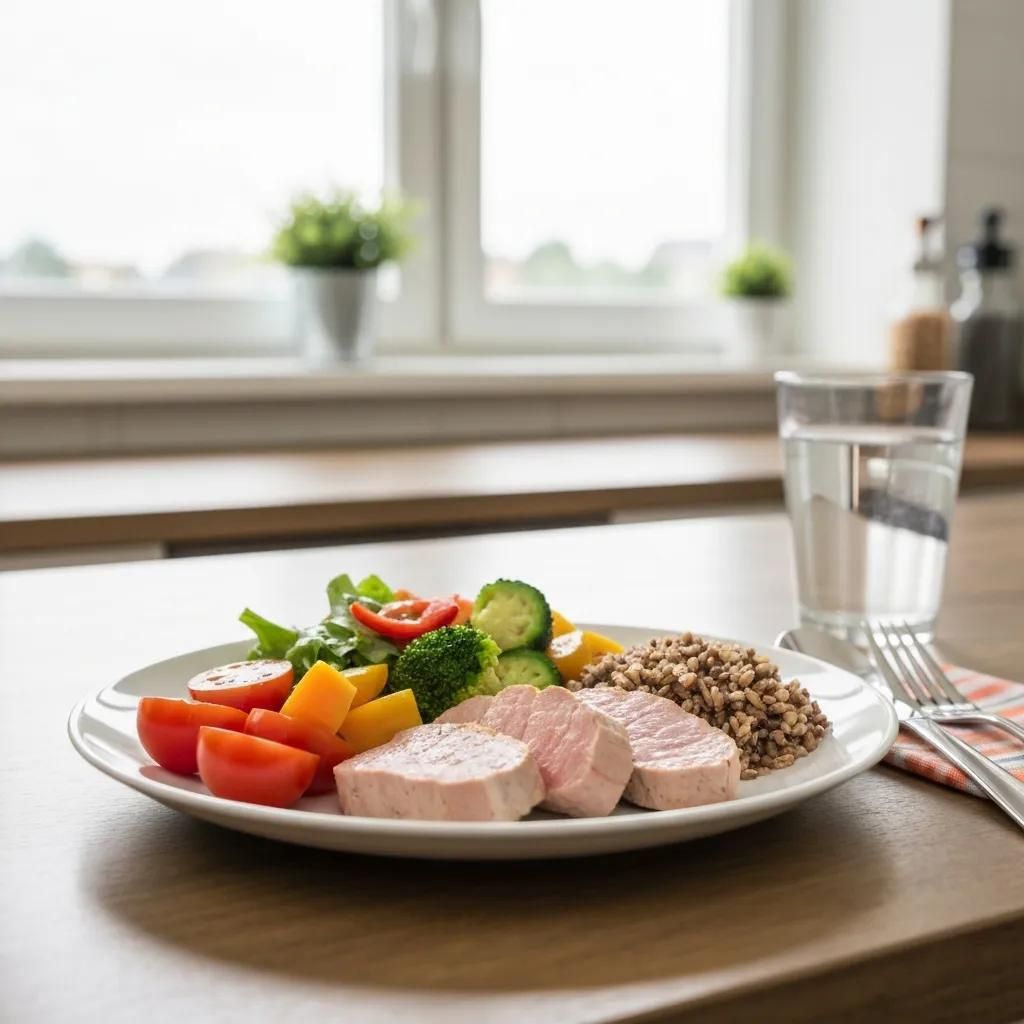
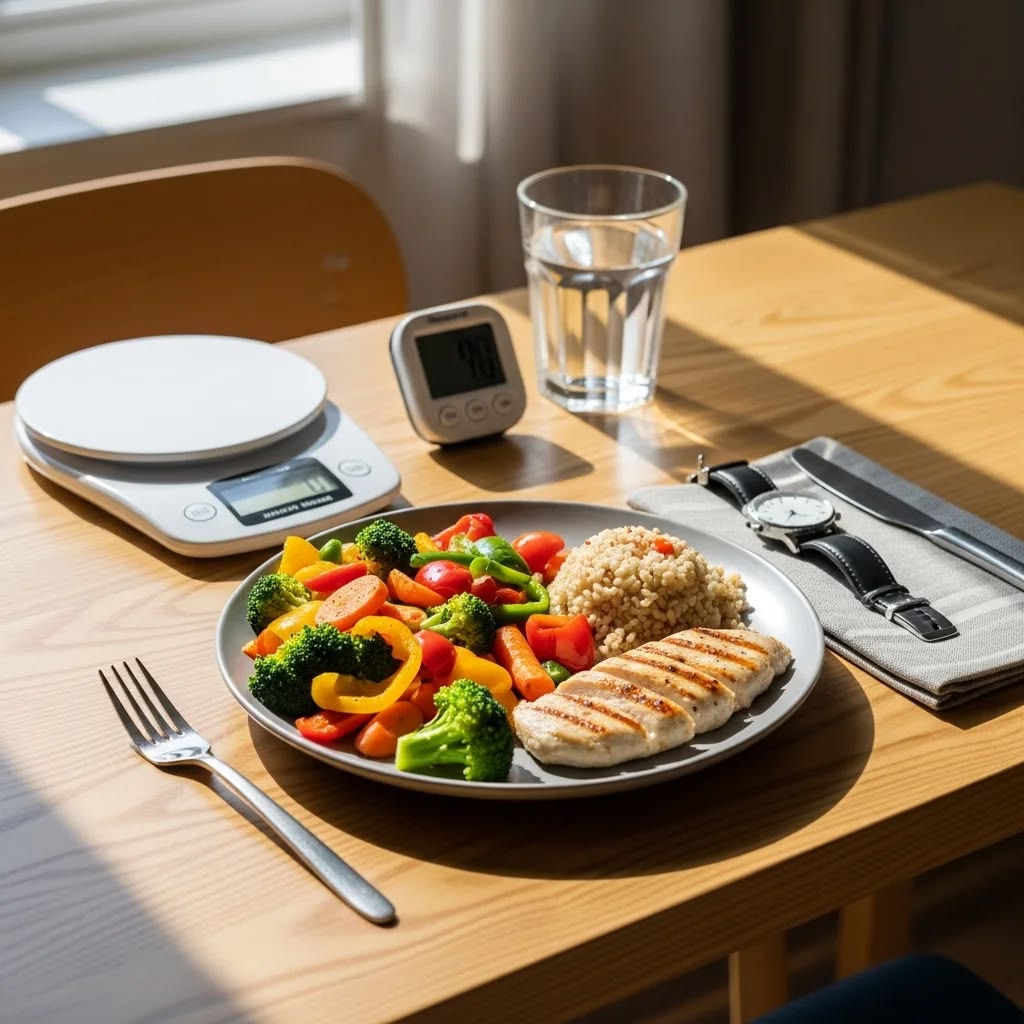
A consistent daily rhythm does not mean feeling the same every hour. It refers to building regular eating and hydration habits that fit your schedule. For many people, this involves regular meals and plates that combine fiber, protein, and complex carbohydrates.

Individual experience varies widely. Sleep, movement, stress, and personal health all interact with nutrition. Our educational content addresses food-related topics only and encourages consulting licensed professionals for health-related questions.
Influencing Factors

Elements that may affect daily rhythm

Meal spacing and portion size

Very large meals or long gaps between eating can affect how some people feel during the day. Spacing meals roughly three to four hours apart — with an optional planned snack — is a common starting framework we discuss in our programs.

Carbohydrate pairing

Pairing carbohydrates with protein or fat is a practical plate-building skill we teach in our educational materials. It is not presented as a method to manage any health condition.

Beverage timing

Coffee and tea affect people differently. Our guides describe beverage timing relative to meals as general observation for educational purposes — never as prescriptive advice.

Hydration as a daily habit

Drinking water consistently throughout the day can be part of daily hydration habits. We suggest keeping a bottle at your workspace and pairing sips with existing routines — after meetings, before meals, or during short breaks.

Self-observation without judgment

A simple log noting what you ate, when, and how you felt two hours later can reveal personal patterns. Our programs include neutral journaling templates designed for learning, not scoring.

Common Patterns

Scenarios we address in consulting

Scenario A

Afternoon routine adjustment

Sometimes linked to lunch composition or timing. We explore whether adding fiber, adjusting portion size, or shifting the meal earlier may be worth trying — always as personal experiments, not medical recommendations.

Scenario B

Morning rush without breakfast

Quick options like overnight oats, yogurt parfaits, or pre-portioned smoothies can fit tight schedules. Our personalized plans include grab-and-go ideas matched to your preferences.

Scenario C

Evening snacking after long days

Structured evening snacks with protein and fiber may feel more satisfying than repetitive grazing for some people. We discuss options without moralizing food choices.

Visual diagram of balanced macronutrients on a daily plate

Explore a personal routine framework

Our consulting and program offerings translate these educational concepts into a framework tailored to your schedule. Reach out to discuss non-medical learning options.