Morning anchor
A meal within two hours of waking that includes protein and fiber can be a practical starting point for early work or study sessions.
These educational models help you organize plates, plan grocery trips, and structure your week — without prescribing a single diet or making outcome claims.
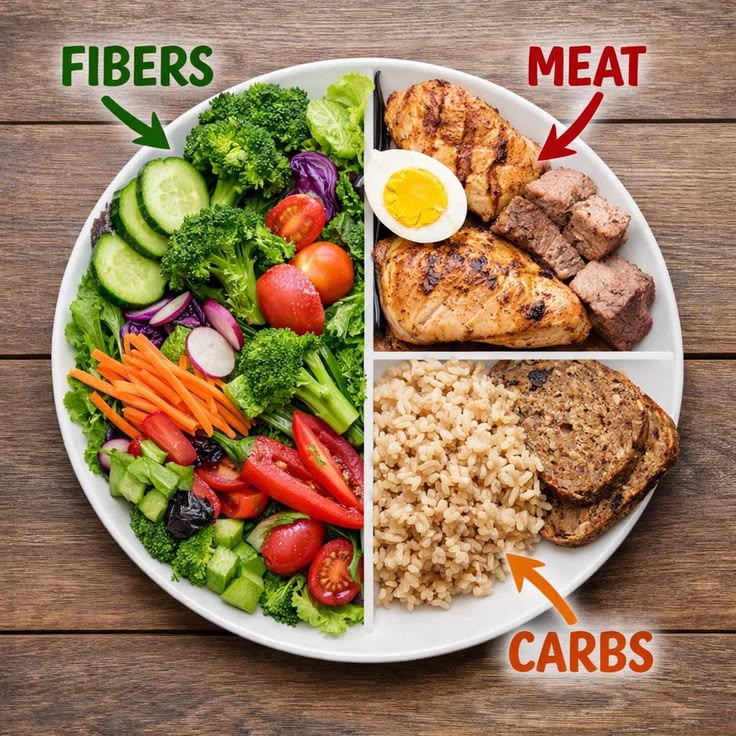
A visual guide — not a rule — for composing meals that include variety and satisfaction:
Eating at regular intervals may help you maintain a consistent daily routine during work or study periods. These windows are starting points — adjust based on hunger cues, schedule, and guidance from your healthcare provider.
A meal within two hours of waking that includes protein and fiber can be a practical starting point for early work or study sessions.
Step away from your desk for lunch when possible. A composed plate with varied food groups can be part of a balanced afternoon routine.
Lighter dinners with vegetables and moderate protein often align with preparing for rest — though personal preference varies.
Meal prep does not require identical containers every day. Our educational approach suggests preparing components — roasted vegetables, cooked grains, marinated proteins — then mixing them differently across the week.
This component method reduces decision fatigue during busy mornings while keeping meals visually and texturally varied. It also makes grocery lists more predictable.

Lentils with roasted root vegetables, Greek yogurt with berries and seeds, or hummus with whole-grain crackers are satisfying combinations that some people find helpful between meals.
Brown rice, quinoa, oats, and sweet potatoes serve as versatile bases. Pair them with colorful produce and a protein source for structurally balanced plates.
Water, herbal tea, or sparkling water with meals can be part of daily hydration habits. We discuss beverage choices as part of meal education, not as standalone solutions.
Herbs, spices, citrus, and fermented condiments add depth to simple ingredients. Our guides include seasoning ideas that keep meals interesting without relying on added sugars.
Our consulting sessions adapt these models to your schedule, dietary preferences, and kitchen setup. All guidance remains educational and non-medical.
Meal frameworks on this page are general educational tools — not prescriptive diet plans or medical nutrition therapy. Individual dietary needs vary. Consult a licensed healthcare professional before changing your eating habits.
Statements on this site have not been evaluated by the U.S. Food and Drug Administration. Naturalradiant does not sell supplements or products intended to treat health conditions.